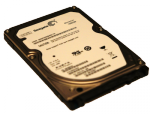
Seagate is one of the world’s most-successful hard disk drive companies, consistently ranked first in overall sales for a decade. The company is respected for their high-end products, but is aggressively moving into the world of smaller hard disks for laptops and portable storage as well. The company’s mainstream “Momentus” portable hard disk family has kept pace with the industry, but Seagate will soon break away with a major jump in areal density. Using public information, and the first product in this line, we will consider what Seagate’s eighth-generation Momentus family will look like.
Everything
Back From the Pile: Interesting Links, October 22, 2010
This week’s links focused on the MacBook Air, and Iomega’s USB 3.0 SSD. On the enterprise side, we have HP’s new training programs, server virtualization assumptions, the rise of the storage industry, and another great piece by Chris Evans.
Apple’s Unconventional New MacBook Air SSD
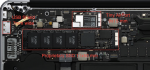
Apple updated the ultra-slim don’t-call-it-a-netbook MacBook Air this week. Along with a wimpy out-of-date CPU, the new Air features all-SSD storage of an entirely new and apparently proprietary type. Let’s take a look and see what we can see.
Iomega Bundles Capacity and Performance in New External SSD Drive
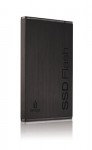
Iomega, the anchor company in the Consumer and Small Business Products division of storage giant EMC, last week introduced an External SSD Flash Drive designed for business and “prosumer” users. Boasting USB 3.0, built-in encryption, and a suite of backup and security software, the drive is the vanguard of a new breed of rugged and compact external storage. Although expensive by consumer standards, business and pro users will welcome its combination of features and performance.
Apple Replaces Operating System DVDs with the Software Reinstall Drive
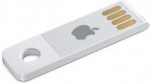
Along with the apparent Mini PCI-E SSD, Apple introduced another storage feature with the late-2010 MacBook Air: The Software Reinstall Drive. Although not mentioned in the product introduction, the read-only USB drive is a clever solution for a device with no optical drive. Here’s what I’ve discovered about it so far.
