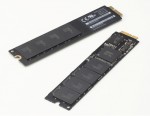
More information about the unconventional SSD used in Apple’s new MacBook Air. As I discussed in my previous coverage of this new flash form factor, it resembles a PCI Express Mini Card but is much smaller. Toshiba has now proved my speculation that the device uses SATA signals rather than the PCI Express lane used by the similar AirPort card. We also know that the lauded performance of the device is due to its chips and controller rather than skipping SATA in favor of PCIe as some had speculated.
Terabyte home
LaCie Releases USB 3.0 Driver For Mac OS X (But It Only Works With LaCie Drives)
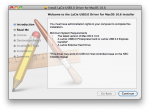
Steve Jobs isn’t too keen on USB 3.0, apparently, but other vendors are stepping in to fill the void. CalDigit was first with a USB 3.o driver, but it was tied to the pricey PCI Express and Mini-PCIe cards they sell. Now LaCie is out with a free driver for just about any USB 3.0 card, but it’s locked to LaCie’s storage products. Let’s hope we get an unlocked driver soon!
The Tablet Wasteland and the iPad Oasis
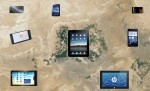
Last year, as the pre-release hype around the iPad was reaching its peak, dozens of companies announced their own tablet computers or “pads”. Some predicted doom for Apple’s device even before it was released. After all, how could premium-priced Apple compete with the volume PC makers and all the factories in China? Pretty well, it turns out. Almost a year later, no tablet has even come close to Apple’s mighty iPad, and it currently boasts 95% market share. Where are the iPad killers?
How Fast Is It? A Storage Infographic
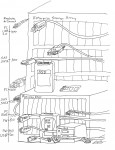
How fast is a hard disk drive? How about the various flavors of SATA and Fibre Channel? Check out this handy Pack Rat infographic to answer the question, “how fast is it?”
The Four Horsemen of Storage System Performance: I/O As a Chain of Bottlenecks
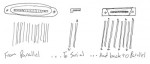
It is tempting to think of storage as a game of hard disk drives, and consider only The Rule of Spindles. But RAM cache can compensate for the mechanical limitations of hard disk drives, and Moore’s Law continues to allow for ever-greater RAM-based storage, including cache, DRAM, and flash. But storage does not exist in a vacuum. All that data must go somewhere, and this is the job of the I/O channel.
