Overland Storage is showing intriguing signs of life. Once relegated to OEM tape library duty, Overland received an injection of cash and (more importantly) talent this year. Now the company is stepping up the technology behind their SnapServer NAS array by acquiring scale-out file storage company, MaxiScale. They intend to bring the scalable capacity and performance normally associated with enterprise and high-performance computing systems to the mass market.
Archives for 2010
Huawei Symantec Enters The United States Storage and Security Market
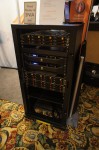
Surprise! Huawei Symantec has arrived in the United States, ready to take on the midrange storage and network security market with a line of devices that have proven their worth in the international market for three years. I sat down with the company’s management at Storage Networking World and quizzed them on their plans and aspirations for growth.
IBM’s Storwize V7000: 100% SVC; 0% Storwize
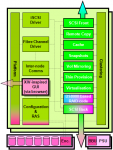
Today, IBM alerted the world that they had not fallen asleep at the wheel by kicking out an awfully-impressive midrange storage array, the Storwize V7000. This seems like an excellent device, filled with proven engineering borrowed from the successful SAN Volume Controller (SVC) line of storage virtualization products. But closer examination (and IBM’s own Tony Pearson) reveal that it contains exactly nothing from their Storwize acquisition apart from the name.
The Four Horsemen of Storage System Performance: Never Enough Cache
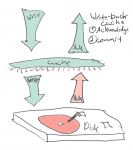
Perhaps the previous discussion of spindles left you exhausted, imagining a spindly-legged centipede of a storage system, trying and failing to run on stilts. The Rule of Spindles would be the end of the story were it not for the second horseman: Cache. He stands in front of the spindles, quickly dispatching requests using solid state memory rather than spinning disks. Cache also acts as a buffer, allowing writes to queue up without forcing the requesters to wait in line.
SMB Arrays: Drive Carriers Or Not?
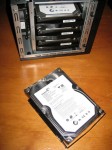
One reason I decided to work with the folks at DCIG to collect data for their Small Business Storage Array Buyers’ Guide was to learn more about the various products in the space. One difference I noted in these small arrays, which usually hold 4 to 8 drives, is their use of hard disk drive carriers or sleds. There are pros and cons to both approaches, but I was pleased to see that all arrays so far include everything needed to install a drive.
