ZFS should have been great, but I kind of hate it: ZFS seems to be trapped in the past, before it was sidelined it as the cool storage project of choice; it’s inflexible; it lacks modern flash integration; and it’s not directly supported by most operating systems. But I put all my valuable data on ZFS because it simply offers the best level of data protection in a small office/home office (SOHO) environment. Here’s why.
Terabyte home
Turn Off Error Recovery in RAID Drives: TLER, ERC, and CCTL
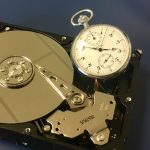
Hard disk drives encounter errors from time to time, so it’s a good thing that most have the ability to recover data anyway. But RAID systems usually have their own error recovery capabilities and can be thrown off when a hard disk pauses I/O. So it’s a good idea to use hard disk drives that allow you to disable or limit error recovery in RAID systems.
My Core i7 Macintosh SE
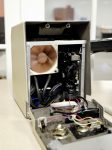
I recently built the biggest, clunkiest iPad mini case ever, transforming my old Macintosh SE case into an iPad stand. But what to do with that empty case? Why, it’s the perfect size for a custom Mini-ITX PC! Introducing my liquid-cooled Core i7 monster Mac SE!
The Biggest, Clunkiest iPad Mini Case Ever: My Old Mac SE!
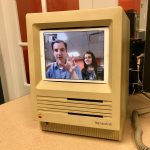
What happens when you mix two old, broken things together? In the case of my Mac SE and iPad mini, the result was pretty cool! Meet my desktop videoconferencing system!
FreeNAS First Impressions
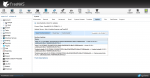
I’ve dabbled with FreeNAS in the past and had such a great experience with pfSense (a similar FreeBSD-based project) that I jumped in with both feet on my home office server build. But my initial impressions were, frankly, terrible. I’ve got the system running and stable now, but I’m finding it difficult to recommend FreeNAS at this point.
